Sorry, Cooking With a Cast Iron Pan Won't Fix Your Iron Deficiency
Quick Answer: Cooking in cast iron does transfer trace amounts of iron into food, especially acidic dishes, but the amount is small and inconsistent — nowhere near enough to correct a real iron deficiency, which needs dietary iron-rich foods or supplementation confirmed by bloodwork.
The cast-iron-pan iron hack sounds almost too convenient to be true. It is.

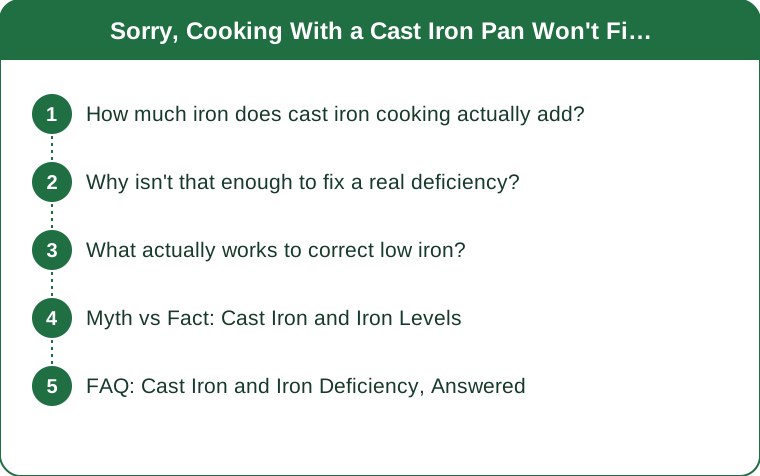
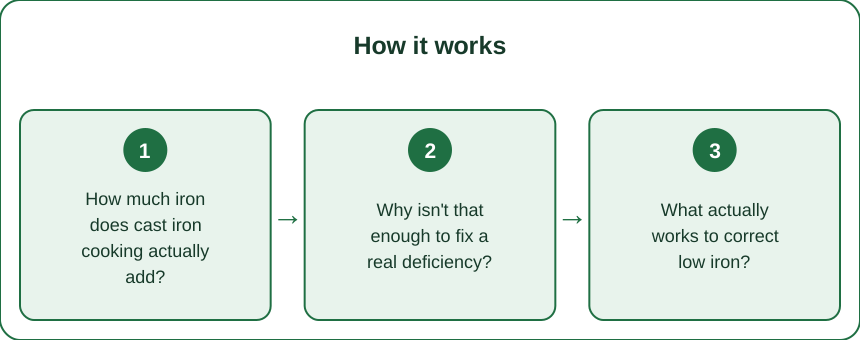
How much iron does cast iron cooking actually add?
Studies measuring this show a wide range — roughly 1-8mg of additional iron per serving depending on food acidity, cook time, and pan seasoning. A tomato sauce simmered for an hour picks up meaningfully more than a quick scramble, but the range is too inconsistent to rely on for correcting a deficiency.
Why isn’t that enough to fix a real deficiency?
Clinical iron deficiency typically needs 15-65mg of supplemental iron daily to correct, under medical guidance. Even at the high end of cast-iron transfer, you’re getting a small fraction of what’s actually needed — and you have no way to measure exactly how much you got on any given day.

What actually works to correct low iron?
Iron-rich foods (red meat, lentils, spinach, fortified cereals) paired with vitamin C to boost absorption, or a doctor-recommended supplement if bloodwork confirms deficiency. Iron supplementation without a confirmed deficiency isn’t recommended — excess iron has its own risks.
Myth vs Fact: Cast Iron and Iron Levels
Myth: Cooking everything in cast iron is a reliable iron source. Fact: The transfer amount is too inconsistent and small to correct a real deficiency — it’s a minor bonus, not a treatment.
Myth: If a pan is well-seasoned, it stops transferring iron. Fact: Seasoning actually reduces iron transfer somewhat, meaning older, well-used pans add even less than a newer one.
Myth: Only acidic foods pick up iron from cast iron. Fact: Acidic foods pick up more, but any food cooked in cast iron picks up some — just less predictably.
FAQ: Cast Iron and Iron Deficiency, Answered
Is cooking with cast iron still worth doing for iron?
As a small, free bonus alongside a real iron-rich diet, sure — just don’t rely on it as your correction plan if bloodwork shows deficiency.
How do I know if I actually have an iron deficiency?
A blood test (ferritin, hemoglobin) from a doctor is the only reliable way — fatigue alone can have many other causes.
Can you get too much iron from cast iron cooking?
It’s very unlikely from cookware alone — the amounts are too small to cause iron overload on their own.
TL;DR:
- Cast iron transfers roughly 1-8mg of iron per serving, depending on acidity and cook time
- Real deficiency correction typically needs 15-65mg daily under medical guidance
- Iron-rich foods plus vitamin C, or a doctor-recommended supplement, are what actually work
- Cast iron is a nice bonus, not a treatment plan
This is general information, not medical advice — confirm any suspected deficiency with bloodwork before self-treating.
Keep Reading
This article is for general informational purposes only and is not medical advice. Always consult a qualified health professional for guidance specific to you.