Iron Deficiency vs. Just Being Tired: The Signs That Actually Tell Them Apart
Quick Answer: Ordinary tiredness usually improves with rest and sleep; iron-deficiency fatigue often persists despite good sleep and comes with specific extra signs — pale inner eyelids, cold hands and feet, unusual cravings for ice, or brittle nails. A blood test (ferritin, not just hemoglobin) settles it definitively.
You’re exhausted, but so is everyone you know — how do you tell if this is ‘just tired’ or something your iron levels explain? A few specific signs point clearly in one direction, and a simple test removes the guesswork entirely.

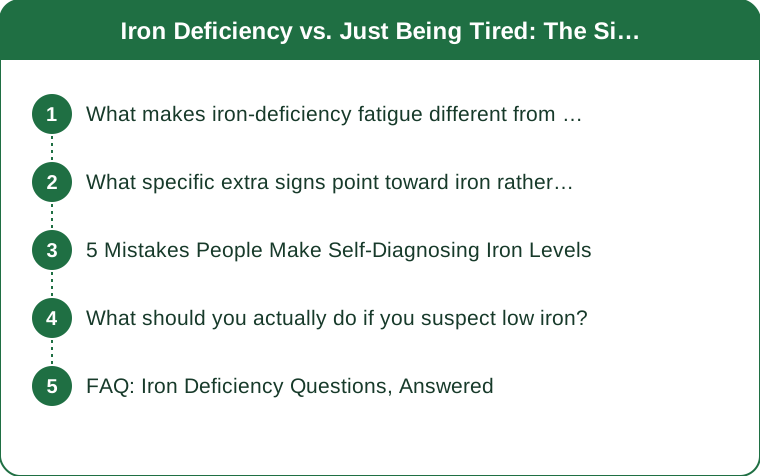
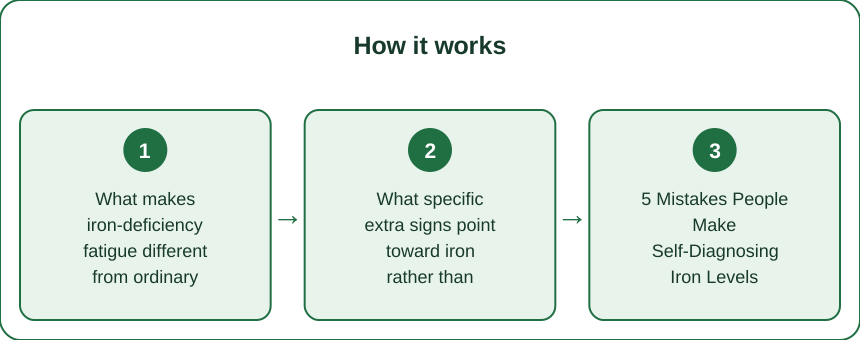
What makes iron-deficiency fatigue different from ordinary tiredness?
Ordinary tiredness typically responds to a good night’s sleep or a restful weekend. Iron-deficiency fatigue tends to persist despite adequate rest — you wake up from 8 hours still feeling wiped, because the issue is oxygen delivery to tissues, not sleep debt.
What specific extra signs point toward iron rather than general fatigue?
Pale inner eyelids or gums, cold hands and feet even in a warm room, unusual cravings for ice (pica), brittle or spoon-shaped nails, and shortness of breath on stairs you’d normally handle easily are all more specific to iron deficiency than generic tiredness.

5 Mistakes People Make Self-Diagnosing Iron Levels
1. Relying on hemoglobin alone. Ferritin (stored iron) often drops well before hemoglobin does — a ‘normal’ hemoglobin doesn’t rule out low ferritin.
2. Assuming heavy periods are just ‘normal.’ Heavy menstrual bleeding is one of the most common causes of iron deficiency in women and is often dismissed rather than investigated.
3. Starting supplements without testing. Taking iron without confirmed deficiency risks overload in some people and masks the actual test results later.
4. Ignoring absorption blockers. Coffee, tea, and calcium taken alongside iron-rich meals can significantly reduce absorption.
5. Stopping supplementation too soon. Rebuilding iron stores after confirmed deficiency typically takes 3-6 months, not a few weeks.
What should you actually do if you suspect low iron?
Ask specifically for a ferritin test, not just a standard CBC/hemoglobin panel — many doctors will run this on request, especially if you describe the specific symptoms above. Confirmed deficiency is treated far more effectively than guessing with over-the-counter supplements.
FAQ: Iron Deficiency Questions, Answered
Can you be iron deficient with normal hemoglobin?
Yes — this is common and called iron deficiency without anemia; ferritin can be low while hemoglobin still reads in the normal range.
Who is most at risk for iron deficiency?
Menstruating women, endurance athletes, vegetarians/vegans, and frequent blood donors face measurably higher risk than the general population.
Is it safe to just try iron supplements without testing?
It’s better to test first — iron overload is possible in some people, and supplementing without a confirmed deficiency can mask the actual numbers if you test later. This is general information, not medical advice.
TL;DR:
- Iron-deficiency fatigue persists despite good sleep, unlike ordinary tiredness
- Watch for pale eyelids, cold hands/feet, ice cravings, and brittle nails as specific signs
- Ask for a ferritin test specifically, not just hemoglobin, if you suspect low iron
- Rebuilding iron stores after confirmed deficiency typically takes 3-6 months
Keep Reading
This article is for general informational purposes only and is not medical advice. Always consult a qualified health professional for guidance specific to you.