How to Tell Iron Deficiency Fatigue From Just Being Tired
Everyone is tired sometimes, which is exactly why iron-deficiency fatigue goes unnoticed for so long. It has a specific pattern that ordinary tiredness doesn’t, and learning to spot the difference is the first step toward actually getting it checked instead of just pushing through.

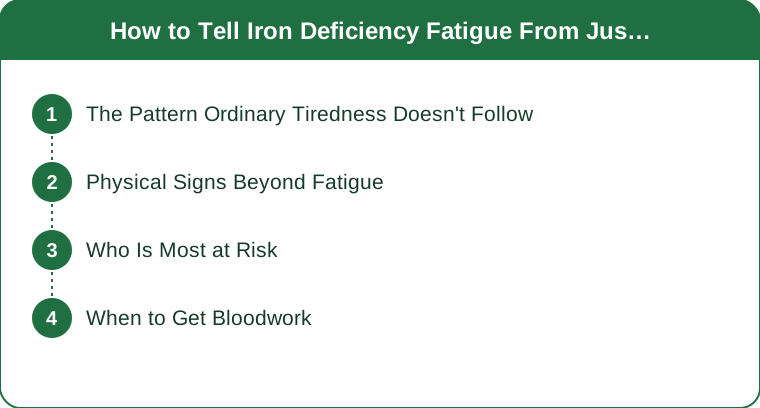
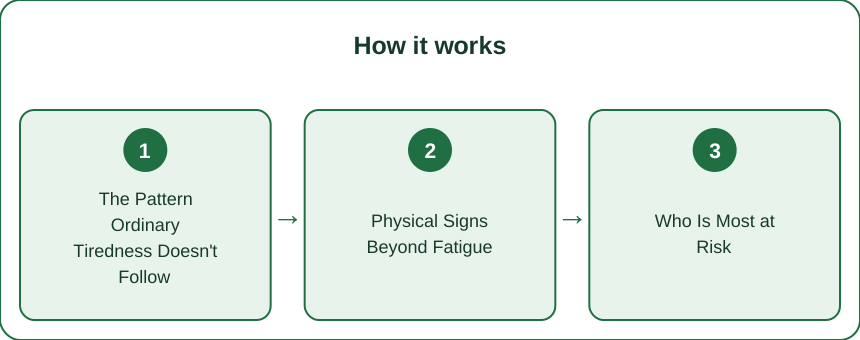
The Pattern Ordinary Tiredness Doesn’t Follow
The distinguishing signs: the the-doesnt-improve-with-rest (iron-deficiency fatigue often persisting even after a full night’s sleep or a rest day, unlike ordinary tiredness which typically responds to recovery), the the-exercise-intolerance-shift (a noticeable drop in exercise capacity, like feeling unusually breathless during a workout that used to feel normal, being a common early sign), the the-cognitive-fog-component (difficulty concentrating or a persistent mental fog accompanying the physical tiredness, rather than just physical fatigue alone).
Physical Signs Beyond Fatigue
The additional markers: the the-pale-skin-or-nail-beds (unusually pale skin, inner eyelids, or nail beds sometimes accompanying iron deficiency, visible on close inspection), the the-cold-hands-and-feet (persistently cold extremities even in a warm environment being a commonly reported sign), the the-unusual-cravings (a craving for ice or non-food items, a specific but well-documented symptom in more significant iron deficiency).

Who Is Most at Risk
The risk factors: the the-heavy-menstrual-cycles (women with heavy or prolonged menstrual periods losing more iron monthly than average, putting them at meaningfully higher risk), the the-plant-based-diet-consideration (a fully plant-based diet requiring more attention to iron sources, since plant-based iron is less readily absorbed than iron from animal sources), the the-endurance-athlete-factor (endurance athletes, especially runners, having elevated iron loss through mechanisms including foot-strike red blood cell breakdown).
When to Get Bloodwork
The actual step: the the-persistent-symptom-threshold (fatigue that doesn’t improve after two to three weeks of adequate sleep and nutrition being a reasonable point to request bloodwork rather than continuing to assume it’s normal tiredness), the the-full-panel-request (asking specifically for ferritin levels alongside a standard complete blood count, since ferritin reflects iron stores more precisely than hemoglobin alone), and the frame (iron-deficiency fatigue differs from ordinary tiredness by not improving with rest and often pairing with exercise intolerance, cold extremities, or unusual cravings — persistent symptoms are worth a ferritin check rather than more caffeine.)
The line between ordinary tiredness and iron-deficiency fatigue comes down to a pattern, not a single symptom: fatigue that doesn’t lift after proper rest, a noticeable drop in exercise tolerance, and often a mental fog riding alongside the physical exhaustion. Physical signs like pale nail beds, cold hands and feet, or unusual cravings add further evidence when they show up together rather than in isolation. Certain groups carry higher risk almost by default — women with heavy periods, anyone eating fully plant-based, and endurance athletes all lose more iron than the general population accounts for. None of this replaces an actual blood test, but it does answer the more immediate question of whether fatigue is worth investigating at all. Two to three weeks of persistent symptoms despite reasonable sleep and nutrition is a fair threshold for requesting bloodwork, and asking specifically for ferritin rather than relying on a standard blood count alone gives a much clearer picture. This is general information, not medical advice.
Keep Reading
This article is for general informational purposes only and is not medical advice. Always consult a qualified health professional for guidance specific to you.