Iron Deficiency or Overtraining? How to Tell the Difference
Quick Answer: Iron deficiency fatigue tends to feel constant across rest and training days and often comes with pale skin, cold hands, or shortness of breath on stairs, while overtraining fatigue tends to improve on rest days and shows up alongside declining performance despite consistent effort — a blood test is the only way to know for certain.
Both conditions are common in active women, both cause workouts to feel unusually hard, and both get worse with the wrong response, which is exactly why telling them apart matters.

What does iron deficiency fatigue actually feel like day to day?
Iron deficiency fatigue tends to be fairly constant — present on rest days almost as much as training days — because iron is needed for oxygen transport in every cell, not just during exercise. Other common signs include pale skin or pale inner eyelids, cold hands and feet even in a warm room, unusual shortness of breath climbing stairs, and cravings for ice or non-food items in more severe cases.
What does overtraining fatigue feel like in comparison?
Overtraining fatigue typically improves noticeably on rest days, since it stems from insufficient recovery relative to training load rather than a systemic nutrient issue. It usually comes packaged with declining performance despite consistent or increasing effort, disrupted sleep, elevated resting heart rate, and irritability or mood changes that iron deficiency alone doesn’t typically cause.
Why do active women get iron deficiency more than the general population?
Menstruation is the biggest factor — regular blood loss creates an ongoing iron deficit that diet alone doesn’t always replace, especially for women with heavier cycles. On top of that, endurance training increases iron losses through sweat, minor GI bleeding from repeated foot-strike impact in runners, and increased red blood cell turnover, stacking an athletic demand on top of a menstrual one.
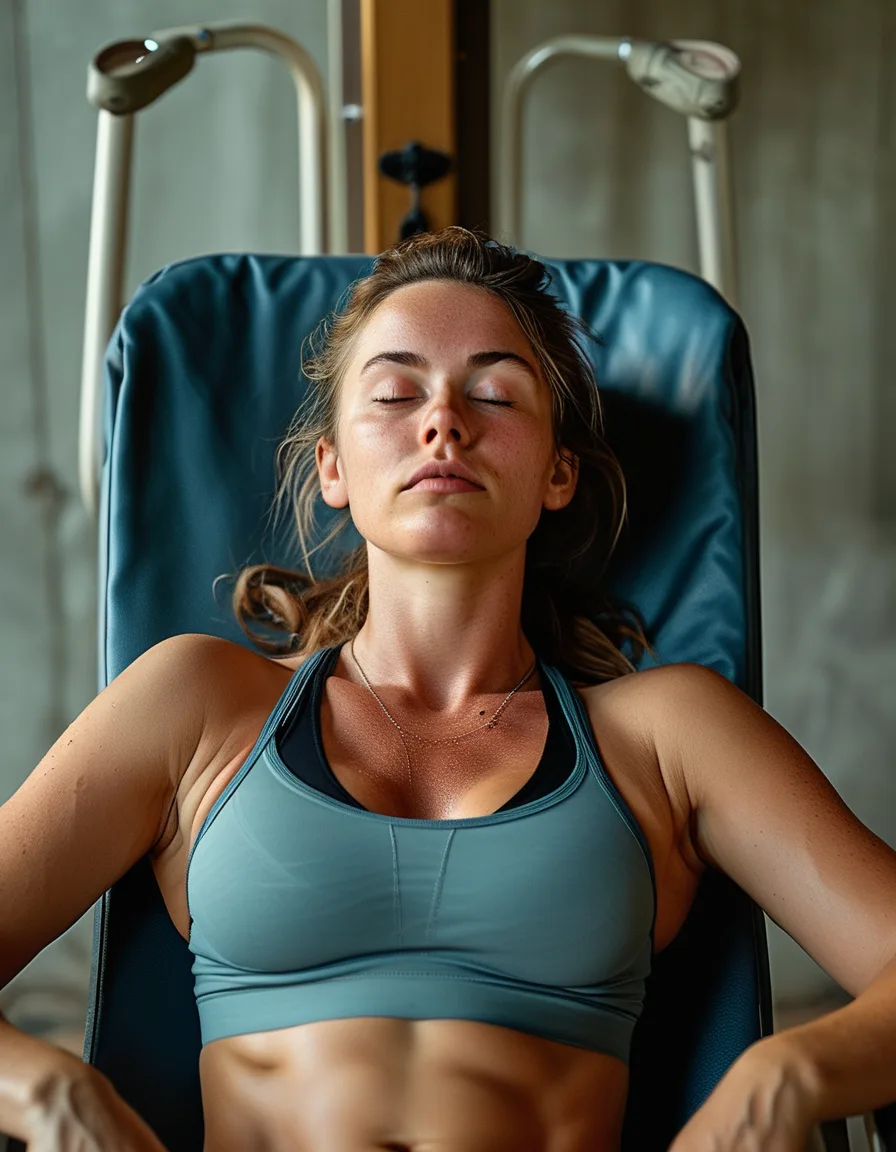
Can you have both iron deficiency and overtraining at the same time?
Yes, and this is more common than either issue alone — low iron reduces your capacity to recover from training, which makes genuine overtraining more likely at a training load you’d normally handle fine. This is why addressing only one (resting more, without checking iron) sometimes doesn’t fully resolve the fatigue.
What’s the right way to actually find out which one you’re dealing with?
A blood test measuring ferritin (iron stores) is the only reliable way to confirm iron deficiency — symptoms alone overlap too much with overtraining to self-diagnose confidently. If ferritin comes back normal, a structured deload week (reduced volume and intensity for 5-7 days) helps clarify whether overtraining was the driver, since fatigue should measurably improve.
Myth vs Fact: Iron and Athletic Fatigue
Myth — if you eat enough iron-rich food, you don’t need testing. Fact — absorption varies widely, and active women with normal-looking diets can still test low, especially if iron-rich meals aren’t paired with vitamin C for absorption. Myth — resting more always fixes unexplained fatigue. Fact — rest addresses overtraining but does nothing for an iron deficiency that needs dietary or supplemental correction.
FAQ: Iron Deficiency and Overtraining Questions, Answered
How long does it take to feel better after starting iron supplementation?
Most people notice improved energy within 2-4 weeks, though fully rebuilding iron stores (ferritin) can take 3-6 months of consistent supplementation.
Should you stop training if you suspect iron deficiency?
Reducing training intensity temporarily is reasonable, but complete rest isn’t necessary — the priority is getting tested and starting appropriate supplementation if levels are low.
Can iron supplements be taken alongside a deload week for overtraining?
Yes, and if both issues are present, addressing them together often resolves fatigue faster than treating either one alone.
TL;DR:
- Iron deficiency fatigue is fairly constant across rest and training days; overtraining fatigue improves with rest
- Pale skin, cold hands, and stair-climbing breathlessness point toward iron; declining performance despite rest points toward overtraining
- Active women are especially prone to iron deficiency due to menstruation plus training losses
- A ferritin blood test is the only reliable way to confirm iron deficiency versus overtraining
When in doubt, get the blood test before restructuring your entire training plan — it’s a faster answer than weeks of trial and error.
Keep Reading
This article is for general informational purposes only and is not medical advice. Always consult a qualified health professional for guidance specific to you.