The Iron Plate: Why So Many Women Run Low (and How to Eat Your Way Stronger)
If there is one nutrient with a legitimate claim to being a women’s issue, it is iron: menstruation, pregnancy and plant-leaning diets combine to make iron deficiency the most common nutrient shortfall among women worldwide — and its signature symptom, bone-deep fatigue, gets misfiled under busy life so routinely that many women medicate it with caffeine for years. The food side of the fix is learnable in one read. Here it is. (The medical side comes first though: fatigue plus suspicion equals a ferritin blood test — never supplement iron on a guess; excess iron genuinely harms.)

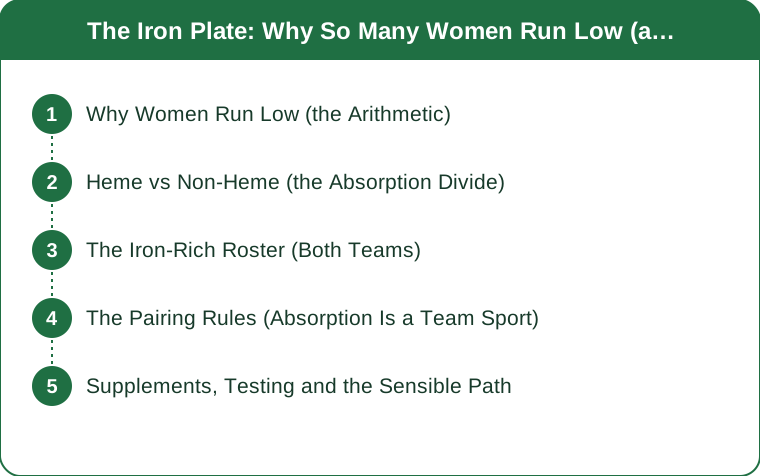
Why Women Run Low (the Arithmetic)
The iron math is unforgiving: women lose iron monthly through periods (heavy cycles can double the loss), pregnancy and breastfeeding draw down reserves dramatically, endurance training adds losses through multiple small channels — and meanwhile women’s average intake runs below the 18mg daily target (men need 8 and get more; the injustice is complete). The symptoms of the slow slide: relentless tiredness, breathlessness on stairs that never used to count, cold hands and feet, pale inner eyelids, brittle nails, unusual hair shedding, and the oddly specific ice-chewing craving (pagophagia — a genuine clinical sign). Sound familiar? Ferritin test first. Then this plate.
Heme vs Non-Heme (the Absorption Divide)
The key concept most advice skips: food iron comes in two forms — heme iron (from animal flesh: red meat, poultry, fish) absorbs at 15–35%, while non-heme iron (plants, eggs, fortified foods) absorbs at a humble 2–20%, heavily swayed by meal companions. This is why modest amounts of meat move the needle disproportionately (and why plant-based women need deliberate strategy, not just spinach volume). Neither form is virtuous or villainous — but knowing the divide turns meal planning from guesswork into arithmetic: heme sources anchor, non-heme sources accumulate, and the pairing rules below multiply the plant side.

The Iron-Rich Roster (Both Teams)
The heme lineup: lean beef (the density champion — a modest 4oz serving delivers a meaningful fraction of the daily target), dark-meat chicken and turkey, sardines and canned salmon, shrimp and oysters (the quiet overachiever), and liver for the willing (the single richest source in food; pâté counts). The plant lineup: lentils and white beans (the legume backbone — a cup of lentils rivals a steak on paper, absorption caveats noted), tofu and tempeh, pumpkin seeds, dark chocolate (legitimately — 70%+ delivers real iron; the guide’s most popular sentence), spinach and swiss chard (cooked concentrates them), fortified oats and cereals, and blackstrap molasses stirred into those oats. Build weeks with both teams and the totals take care of themselves.
The Pairing Rules (Absorption Is a Team Sport)
Where the real leverage lives: vitamin C is non-heme iron’s best friend — pairing C-rich foods with plant iron multiplies absorption several-fold (the practical translations: lemon juice on lentil soup, bell peppers in the tofu stir-fry, strawberries with fortified oatmeal, tomatoes with beans — the classic cuisines figured this out centuries ago); the cofactor bonus: modest meat added to plant-iron meals boosts the plants’ absorption too (the meat factor — a little chicken in the lentil bowl helps the lentils). And the interference list: tea and coffee tannins meaningfully block iron when drunk with meals (shift caffeine an hour away from iron-focused eating), as does calcium in supplement doses (separate the calcium pill from the iron meal). Same foods, choreographed better: that is half the fix.
Supplements, Testing and the Sensible Path
The medical lane, marked clearly: test before supplementing (ferritin plus a basic panel — the symptoms overlap thyroid, B12 and plain exhaustion; guessing wastes months), supplement only with a confirmed deficiency and clinical guidance (iron pills are effective and famously hard on stomachs — every-other-day dosing shows comparable absorption with fewer complaints in research, a conversation worth having), expect the timeline honestly (energy improvements begin in weeks; refilling ferritin reserves takes months — do not quit at week three), and retest rather than supplement indefinitely (iron accumulates; more is not better past sufficiency). Meanwhile the plate strategy above is safe for everyone, deficiency or not — food-first iron has no overdose lane. Eat the lentils with lemon either way.
Iron for women, decoded: test the fatigue before treating it, anchor weeks with heme sources or strategize the plant route deliberately, pair every non-heme meal with vitamin C, move the coffee an hour away, and let supplements be a prescribed tool rather than a pantry guess. The exhaustion so many women carry has a shortlist of boring causes — and this is the most fixable one on it. Ferritin test this month. Lentils with lemon tonight.
Keep Reading
This article is for general informational purposes only and is not medical advice. Always consult a qualified health professional for guidance specific to you.