Iron Concerns Every Vegan Athlete Should Actually Know
Quick Answer: Vegan athletes need roughly 1.8 times the iron intake of non-vegans according to some nutrition guidelines, because plant-based (non-heme) iron absorbs at a lower rate than the heme iron found in meat — and endurance training itself increases iron losses further, making deliberate intake and absorption strategy more important than for a sedentary vegan.
Going vegan doesn’t automatically create an iron problem. Being a vegan athlete without adjusting intake strategy is where the risk actually shows up.

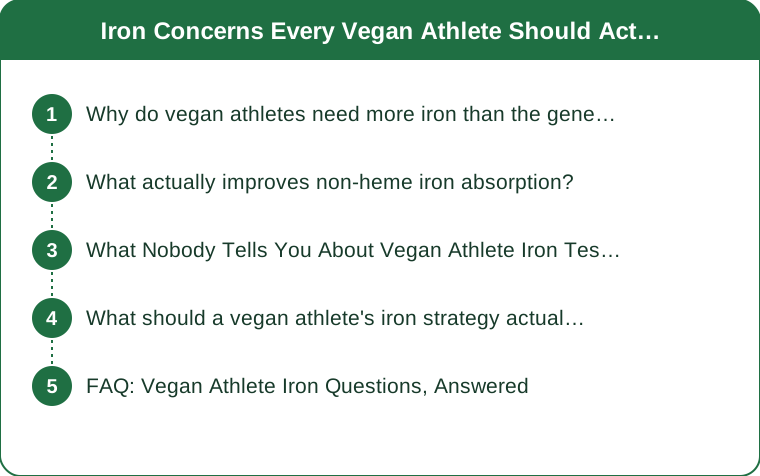
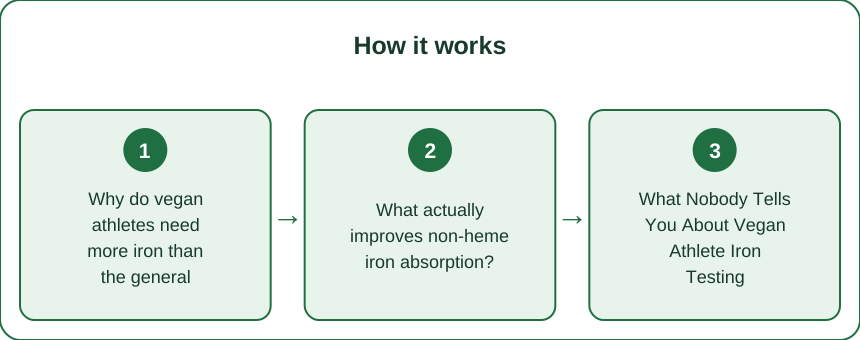
Why do vegan athletes need more iron than the general recommendation?
Non-heme iron (from plants) is absorbed far less efficiently by the body than heme iron (from meat) — commonly cited estimates suggest vegans may need up to 1.8x the standard RDA to compensate for this lower absorption rate.
On top of that, endurance training itself increases iron losses through footstrike hemolysis (red blood cell destruction from repeated impact, mainly in runners), sweat losses, and minor GI blood loss — stacking an athletic iron demand on top of an absorption disadvantage.
What actually improves non-heme iron absorption?
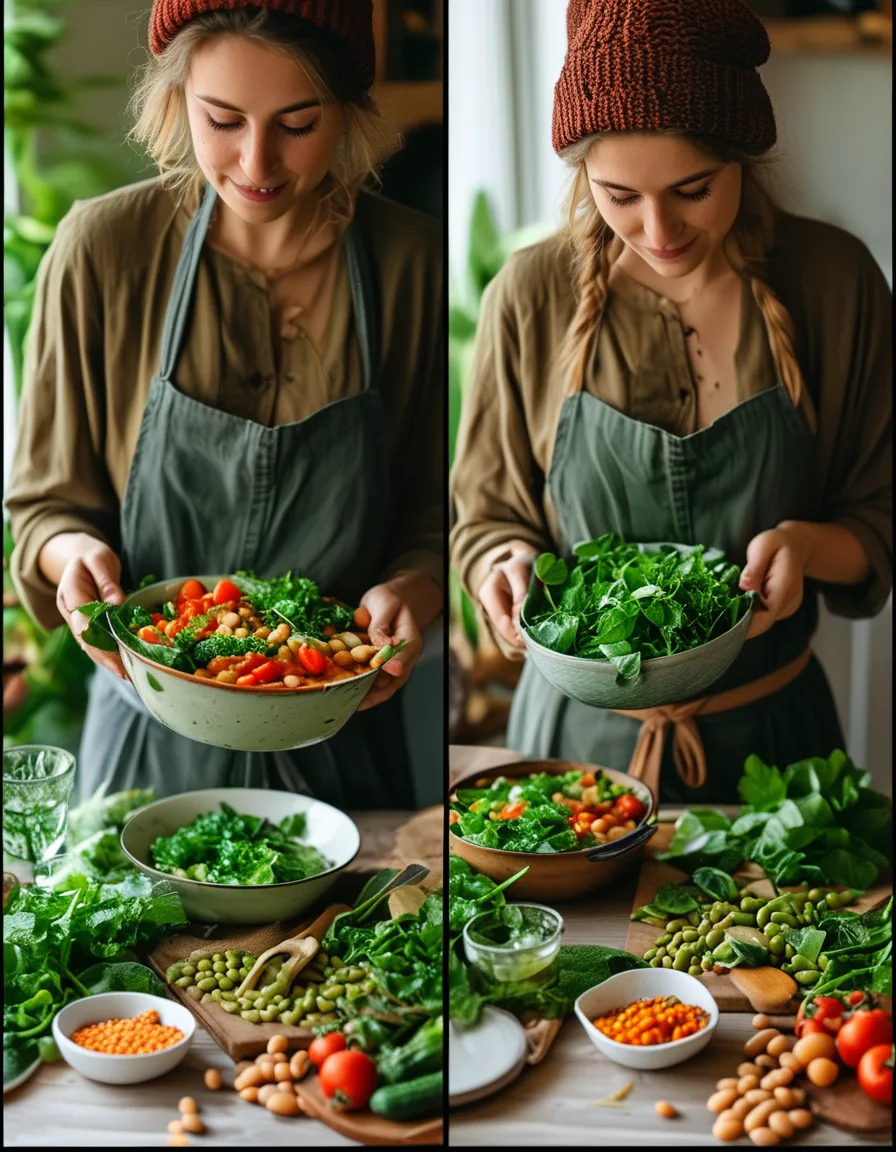
Pairing iron-rich plant foods with vitamin C (citrus, bell peppers, tomatoes) at the same meal significantly increases non-heme iron absorption — this single pairing habit is one of the most effective, low-effort strategies available.
Conversely, coffee and tea consumed with iron-rich meals measurably reduce absorption, so timing these away from meals (rather than eliminating them) is a simple fix.
What Nobody Tells You About Vegan Athlete Iron Testing
Here’s the detail that catches people off guard: standard blood iron panels can look normal while ferritin (stored iron) is already low, meaning an athlete can be in early iron depletion for months before a basic test flags it clearly.
Athletes with unexplained fatigue or declining performance should specifically ask for a ferritin test, not just a general iron or hemoglobin check, since ferritin drops first and is the earlier warning sign.
What should a vegan athlete’s iron strategy actually include?
- Iron-rich staples — lentils, tofu, tempeh, fortified cereals, pumpkin seeds, dark leafy greens — eaten consistently, not occasionally
- Vitamin C pairing at the same meal to boost absorption of that iron
- Separating coffee/tea from iron-rich meals by an hour or so rather than cutting them out
- Periodic ferritin testing, especially for endurance athletes or those with unexplained fatigue
FAQ: Vegan Athlete Iron Questions, Answered
Do vegan athletes need iron supplements, or is food enough?
Many can maintain adequate iron through food with deliberate planning, but athletes with confirmed low ferritin often do need supplementation — this should be guided by an actual blood test, not assumed either way.
Which vegan foods have the most iron?
Lentils, tofu, tempeh, pumpkin seeds, and fortified cereals are among the highest non-heme iron sources commonly used in vegan diets.
Can too much vitamin C with iron cause any issues?
No significant downside at typical food-level amounts — pairing a vitamin-C-rich food with an iron-rich meal is simply an absorption booster with no meaningful risk.
TL;DR:
- Vegan athletes may need up to 1.8x standard iron intake due to lower non-heme absorption
- Training itself adds iron losses on top of the absorption disadvantage
- Vitamin C pairing boosts absorption; coffee/tea near meals reduces it
- Ferritin testing catches depletion earlier than standard iron panels
Vegan and athletic together isn’t a problem — it just means iron needs an actual strategy instead of an assumption.
Keep Reading
This article is for general informational purposes only and is not medical advice. Always consult a qualified health professional for guidance specific to you.